


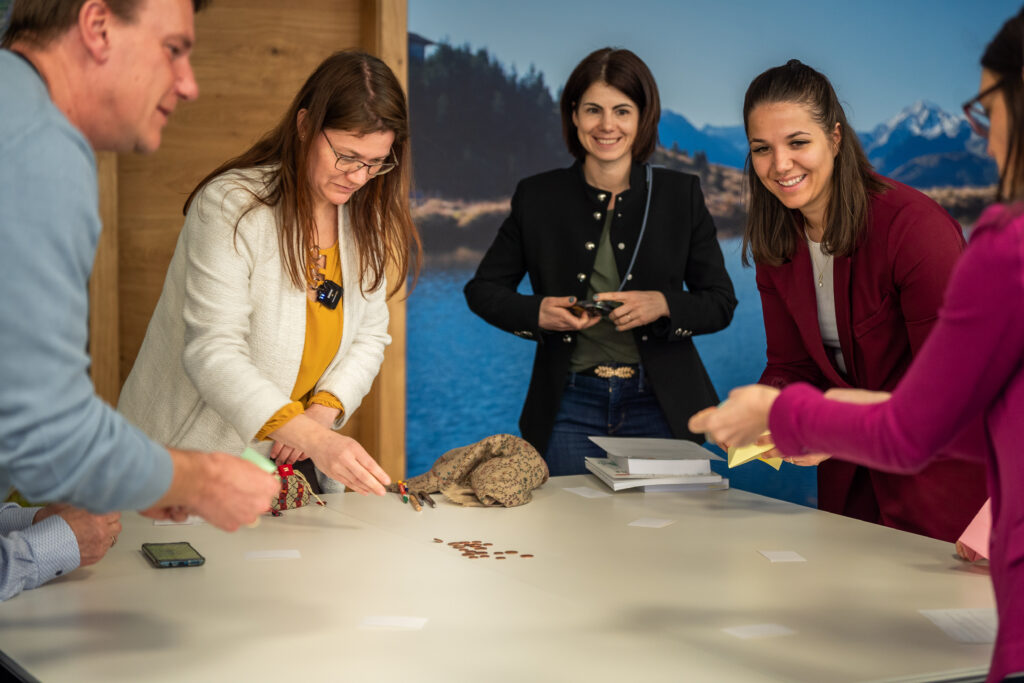
Event
Understanding complexity
Strengthening the ability to act
Experience-based learning spaces in which people learn to deal with uncertainty –
and consciously shape change.
Why simulation games for transformation and system change?
In complex systems, there are rarely clear cause-and-effect relationships.
Decisions often have a delayed, indirect or unexpected effect.
Making complexity tangible instead of simplifying it
Simulations translate abstract concepts such as:
- Systemic interactions
- Feedback loops
- Conflicting objectives
- Tipping points
into concrete experiences.
Participants act within the system – and experience directly how decisions work.
From the desire for the right solution to design expertise
Simulation games show:
- why this solution does not usually exist
- Why almost every action produces side effects
- and where there are still effective leverage points
This strengthens orientation, judgment and the ability to act.
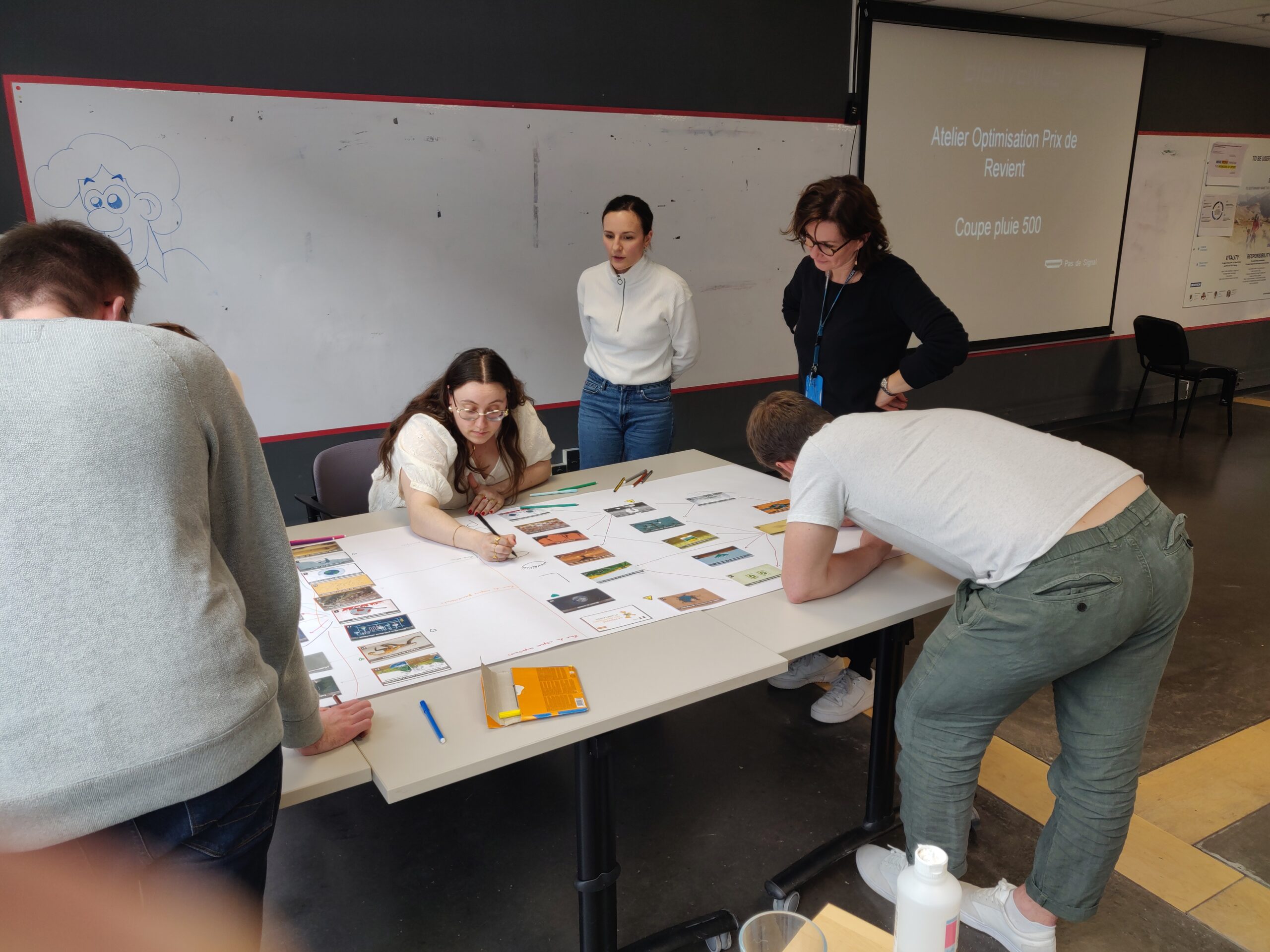
planetary boundaries fresk
This simulation game makes it possible to experience the ecological limits of our planet and their interactions.
Participants recognize:
- Why isolated sustainability measures often fail
- how ecological, social and economic systems are intertwined
- where systemic leverage points for sustainable change lie
The planetary boundaries puzzle is particularly suitable for educational formats, strategy processes and transformation workshops.
Possible World Game – Understanding complex relationships
This simulation game provides a low-threshold introduction to systemic thinking and shows how reality is created through decisions, perspectives and dynamics.
It becomes tangible:
- Why perception is part of the system
- how unintended effects arise
- Why linear thinking reaches its limits in complex systems
An ideal introduction for groups working with systemic thinking for the first time.
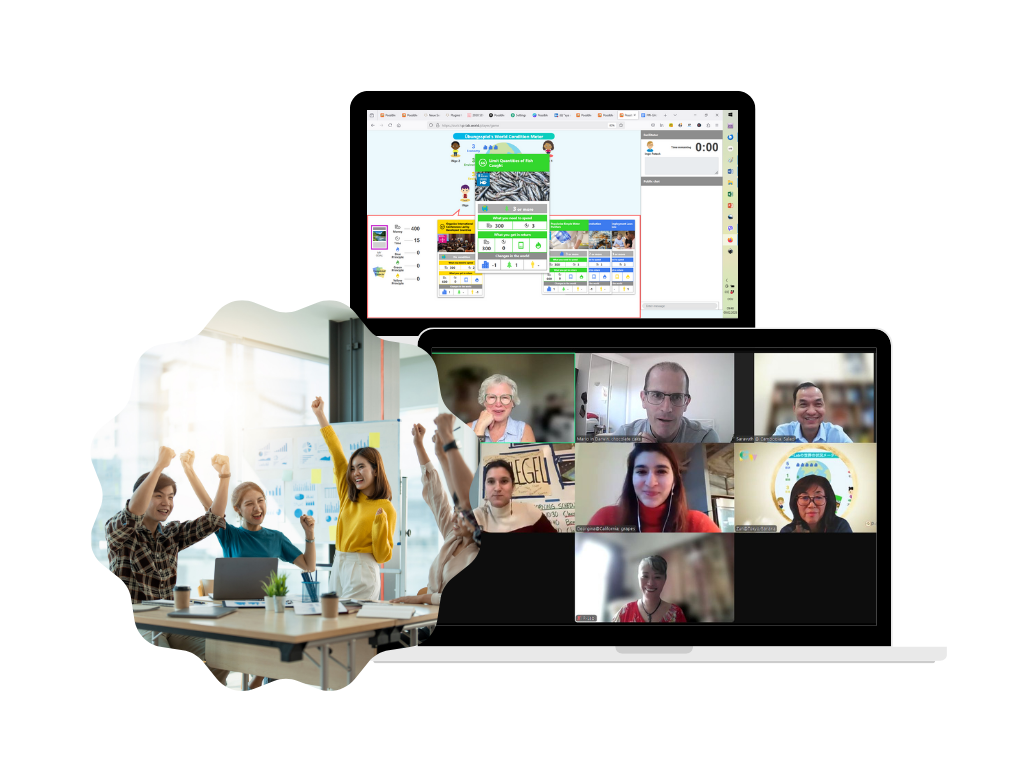
Further business games
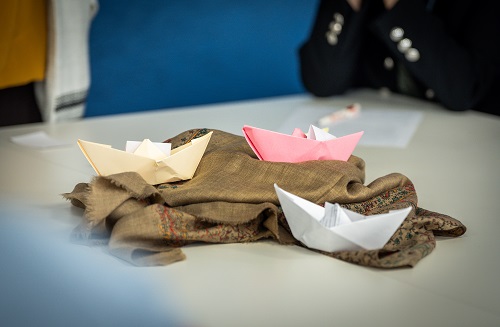
The tragedy of the commons?
Are common goods really doomed to be exploited? Or will the group manage to crack the secret of commoning? We fish and find out …
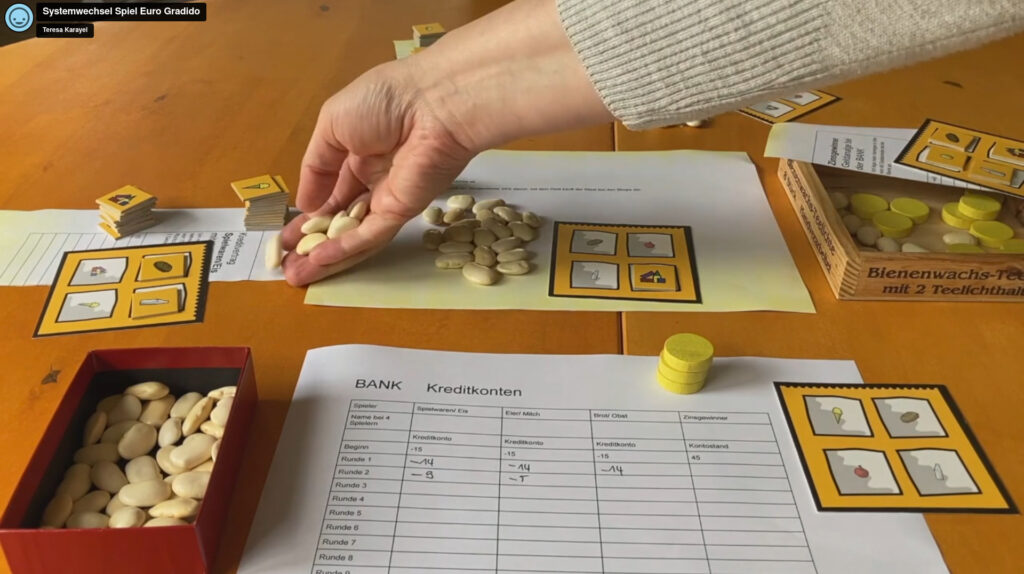
System change game
How would a different monetary system affect us? How would cooperation, poverty and co-determination change in a different monetary system?
My role – process support for regenerative learning
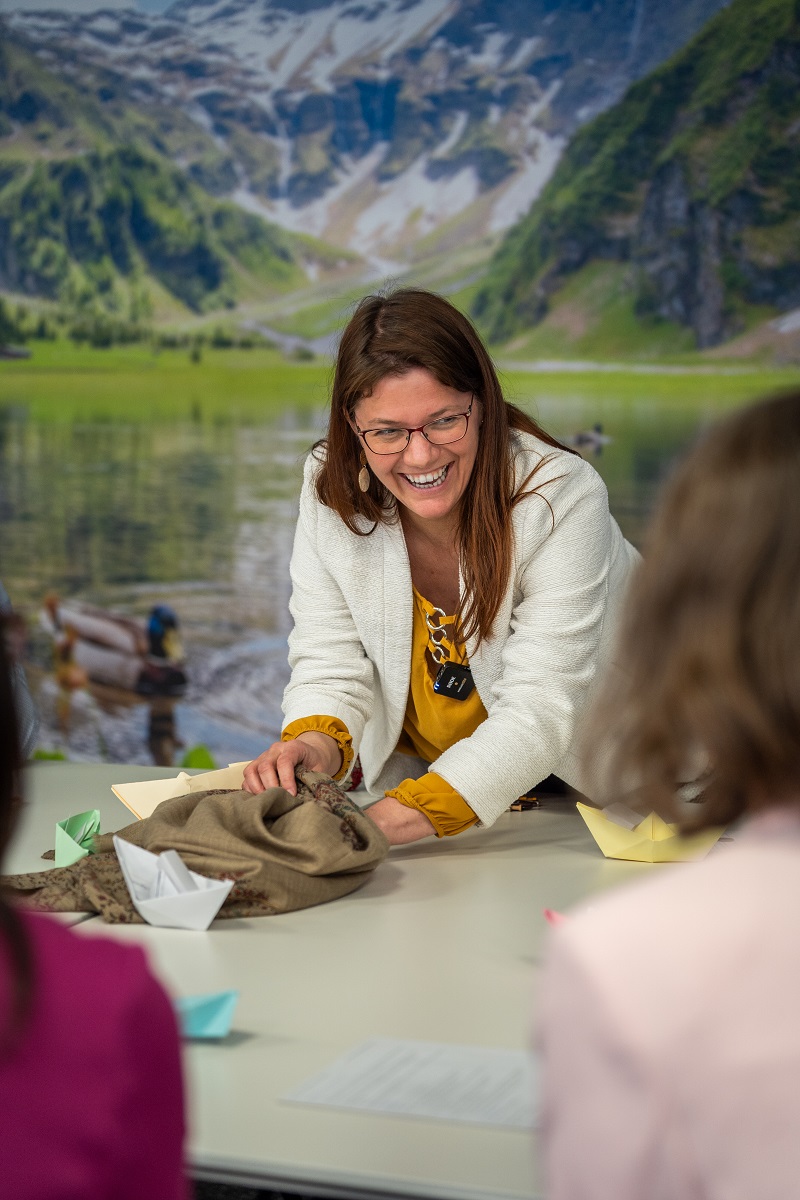
I work as a process facilitator, not as a knowledge broker in the traditional sense.
- I hold the room
- I invite you to reflect
- I support groups in deepening their own understanding
I invite you to change your perspective and understand things together – so that groups can develop their own orientation.
Would you like to find out which business game suits your needs?
The selection is not based on standard packages, but on discussion – adapted to the target group, context and question.